Motor Skills in Children: How Stories, Games and DIY Kits Help Children Learn Through Play
A child’s world begins with movement.
A tiny hand reaching for a puzzle piece. A wobbly step across the room. A jump across an imaginary river. A crayon gripped with great seriousness. A page turned with curiosity. A little body trying, failing, wobbling, laughing and trying again.
To us adults, these may look like everyday moments. To a child, they are milestones.
Motor skills in children develop through these small and big movements — running, jumping, gripping, colouring, building, balancing, turning pages, solving puzzles and playing games. These movements help children build confidence, coordination, independence and readiness for learning.
And the good news is that motor skill development does not need to feel like a class.
It can happen through stories, physical books, story-based jigsaw puzzles, colouring books, board games, card games, outdoor play and hands-on DIY kits. In other words, it can happen through the things children naturally love to do.
Children are not designed to sit still and “develop skills” on command. They are designed to move, explore, touch, tumble, ask questions, invent worlds and drag us into them. The trick for us, as parents and caregivers, is not to stop this energy. It is to channel it.
That is where story-based learning becomes so powerful.
Storybased Jigsaw Puzzles
Colouring Books
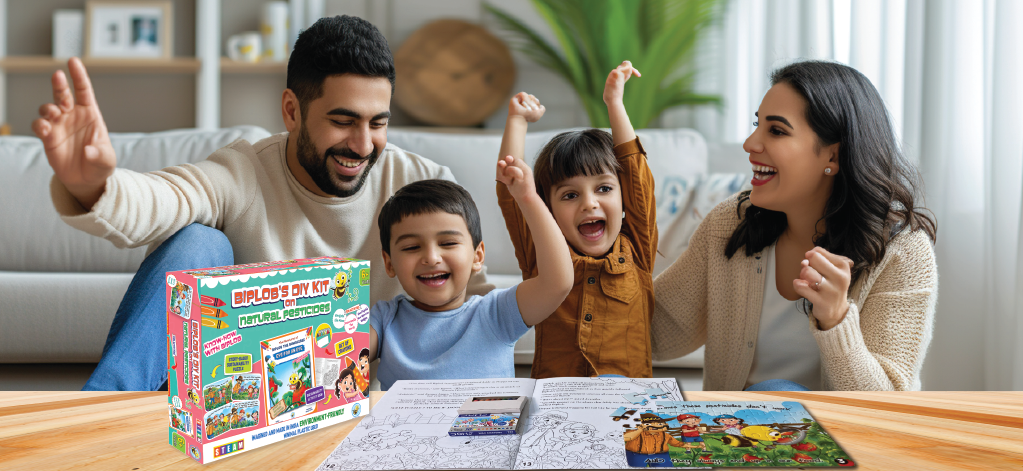
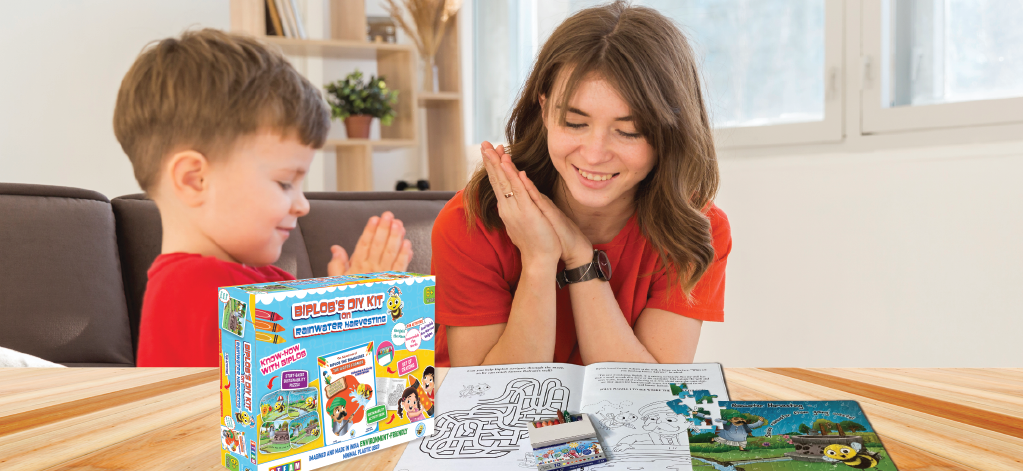
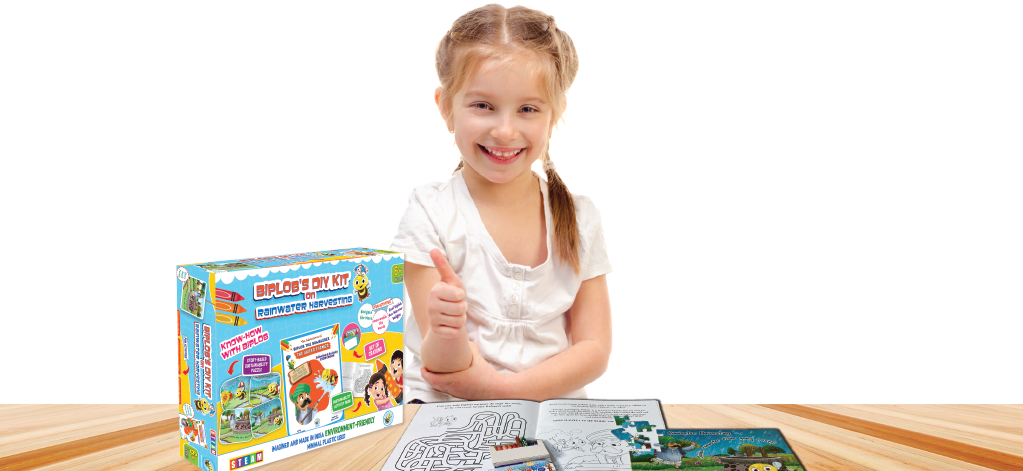
STEM.org Certified DIY Kits
What are motor skills in children?
Motor skills are the movements children use to control their bodies. They help children run, jump, grip, draw, colour, build, balance, turn pages, solve puzzles and take part in everyday activities.
There are two main types.
Gross motor skills involve large body movements such as running, jumping, hopping, climbing, balancing, dancing, throwing and catching.
Fine motor skills involve smaller hand and finger movements such as gripping crayons, turning pages, colouring, drawing, solving puzzles, holding cards, buttoning clothes, folding paper and building with small objects.
Both are important for early childhood development.
A child who learns to balance is learning body control. A child who learns to hold a crayon is preparing for writing. A child who solves a puzzle is building hand-eye coordination. A child who turns pages in a book is strengthening attention, sequence and fine motor control.
So, when your child is sprawled on the floor, surrounded by puzzle pieces, crayons, storybooks and what looks like creative chaos, take heart. There may be more learning happening there than meets the eye.
Why motor skills matter in early childhood development
The term “motor skills” sounds technical, but the idea is beautifully simple.
Children learn through their bodies.
Before they can write neatly, they must learn to grip. Before they can sit in a classroom with focus, they must learn body control. Before they can confidently play with other children, they must learn balance, coordination and spatial awareness. Before they can create, build or draw, their little hands need practice.
Motor skills in children also support hand-eye coordination, focus, balance, body awareness, problem-solving, confidence, independence, social interaction, emotional resilience and school readiness.
Movement also builds confidence.
A child who finally manages to hop three times on one foot feels a small thrill of achievement. A child who completes a jigsaw puzzle feels capable. A child who colours a character carefully feels proud. A child who builds something with a DIY kit sees effort turning into outcome.
These are not small things. They are the quiet beginnings of independence.
Play is the most joyful teacher
Children do not learn best by being told to learn.
They learn best when they are having fun.
This is why learning through play is such a powerful teacher. A game teaches patience. A puzzle teaches focus. Colouring teaches control. A story teaches imagination. A DIY kit teaches sequencing and persistence. A board game teaches turn-taking. A card game teaches attention and quick thinking.
The child, of course, does not think of it this way.
The child is simply playing.
And that is the beauty of it.
When children play, they repeat actions naturally. They grip, sort, balance, stretch, build, draw, arrange, run, crawl, listen, imagine and try again. Each repetition strengthens the body and the mind without the activity ever feeling like a lesson.
This is why parents looking for meaningful child development activities should not underestimate simple, screen-free play.
How stories make movement meaningful
Now, here is where stories become especially useful.
Ask a child to practise balance and you may get a blank stare.
Tell the same child that the floor is a river and the cushions are stepping stones to help Biplob reach a flower before sunset, and suddenly the room has changed. The child is balancing, hopping, stretching and planning — all while being completely absorbed in the adventure.
That is the power of story-based learning.
Stories give children a reason to move. They turn an activity into a mission. They make a puzzle more than pieces. They make colouring more than filling spaces. They make a DIY kit more than assembly. They make a book more than words on a page.
Children enter the story, and once they enter it, they participate with their whole body.
This is why physical, story-led play is so effective. It blends imagination with action, movement with memory, and learning with joy.
Fine motor skills: little hands doing big work
Fine motor skills are built through small, repeated actions.
Holding a crayon. Turning a page. Picking up a puzzle piece. Matching cards. Folding paper. Colouring a character. Building a model. Arranging small parts.
These may seem like simple activities, but for a child’s hands and fingers, they are serious work.
This is one reason story-based jigsaw puzzles are so useful. A child must observe the image, pick up the right piece, turn it, test it, place it, and sometimes accept that it does not fit. That last bit is a useful life lesson as well.
Story-based puzzles support fine motor skills, hand-eye coordination, visual recognition, patience and problem-solving.
Colouring books work beautifully too. They help children develop grip, control, patience and creative confidence. More importantly, when the colouring page features a familiar character or a story world they love, children stay engaged for longer.
Physical books also play a role. Turning pages, pointing to characters, tracing pictures with a finger, following the story sequence — these are small actions that help children connect movement, attention and language.
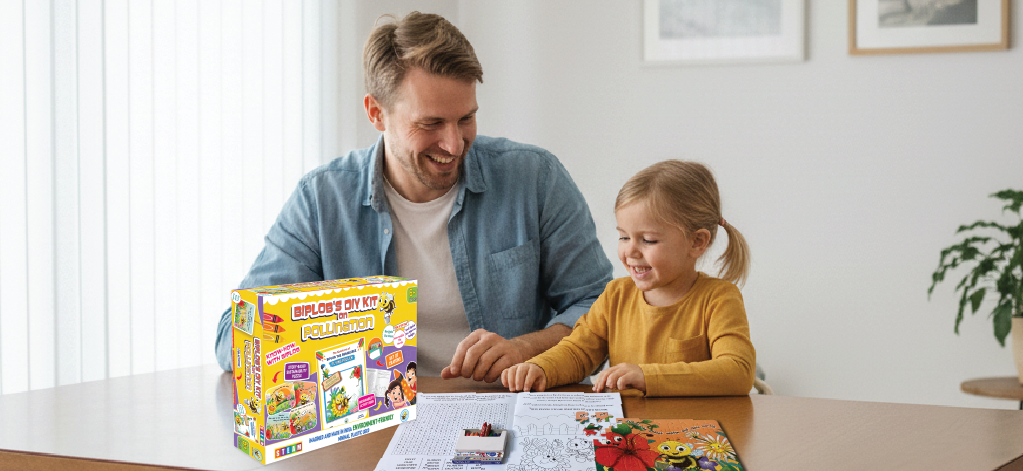
Then there are DIY kits. A good hands-on kit asks children to follow steps, use their fingers carefully, understand sequence, build patiently and complete something tangible. STEM.org certified DIY kits can be especially valuable because they combine motor practice with curiosity, problem-solving and early STEM learning.
Gross motor skills: childhood in full motion
Gross motor skills are the bigger, louder, more visible movements of childhood.
Running. Jumping. Hopping. Climbing. Dancing. Balancing. Throwing. Catching. Crawling. Spinning until everyone else feels dizzy just watching.
These movements help children develop strength, coordination, balance and confidence. They also help them understand their bodies and their surroundings.
The good news is that gross motor development does not need expensive equipment. A living room can become a forest. A corridor can become a race track. A bedsheet can become a tent. A garden can become an expedition. A few cushions can become an obstacle course.
Stories make all this far more exciting.
A child can hop like a bumblebee from flower to flower. Crawl through an imaginary cave. Balance across a pretend bridge. Run to deliver a secret message. Throw a soft ball into a basket as part of a rescue mission.
The activity remains simple. The imagination makes it irresistible.
Educational toys for kids should invite action
The best educational toys for kids are not necessarily the flashiest ones.
They are the ones that invite children to do something.
Build this. Colour that. Solve this puzzle. Match these cards. Turn this page. Imagine what happens next. Try again. Make something new.
A toy or activity becomes truly educational when it encourages active participation. This is why books, puzzles, colouring books, board games, card games and DIY kits remain so valuable. They ask children to use their hands, eyes, minds and imagination together.
This kind of active learning is especially useful for developing motor skills in children because it keeps the child physically and mentally involved.
Screen-free learning matters
It is impossible to talk about children’s development today without talking about screens.
Let’s be honest. Screens are convenient. Every parent knows this. There are times when handing over a phone feels like the only way to get ten minutes of peace.
But children also need time away from screens. They need to touch things, build things, move their bodies, look at faces, ask questions, hold books, make choices and create with their hands.
Screen-free learning activities such as books, puzzles, colouring, DIY kits, board games and card games give children the chance to engage with the real world. They encourage patience, conversation, creativity and family bonding.
A screen can entertain a child.
A story-led activity can involve a child.
There is a difference.
Parenting tips: simple motor skill activities to try at home
The best activities are usually the simplest ones.
1. Read a story and act it out
After reading a story, ask your child to become one of the characters. Can they hop, crawl, tiptoe, stretch, buzz, march or hide? This builds gross motor skills and imagination at the same time.
2. Complete a story-based jigsaw puzzle
Sit with your child and solve a puzzle together. Let them pick pieces, turn them, test them and make mistakes. Resist the urge to solve it for them. That struggle is part of the learning.
3. Colour a favourite character
Colouring is one of the easiest fine motor activities to do at home. It builds grip, control, focus and creativity. Ask your child why they chose a particular colour. You may get answers more imaginative than expected.
4. Build with a DIY kit
Give your child time to build, assemble, arrange and complete something with their hands. DIY kits help children practise patience, sequence, problem-solving and STEM learning.
5. Create a mini treasure hunt
Hide simple clues around the house. Let your child walk, crawl, hop, stretch or balance to find them. Add a story to it and the game becomes twice as engaging.
6. Draw a new ending
After reading a story, ask your child to draw what happens next. This combines storytelling, creativity and fine motor control.
7. Play a family game
Board games and card games are excellent for hand control, attention, memory, patience and turn-taking. They also give families something increasingly rare — shared time without screens.
Where Biplob World fits in
At Biplob World, stories are not meant to sit quietly inside books. They are meant to travel into games, puzzles, colouring, conversations and hands-on play.
A Biplob story can begin on a page and continue through a puzzle. A character can be coloured, acted out, discussed, imagined or built around. A DIY kit can turn curiosity into something a child can hold. A game can turn learning into laughter.
That is the larger idea — learning through stories, play and discovery.
Not forced learning. Not passive entertainment. Not another screen.
Just children doing what they naturally love to do: imagine, move, build, ask, explore and create.
Homepage
Brand philosophy
STEM.org Certified DIY Kits
Storybased Jigsaw Puzzles
Colouring Books
Explore story-led learning with Biplob World
Looking for screen-free, story-based activities that help children learn through play?
Explore Biplob World’s collection of:
- STEM.org certified DIY kits
- Story-based jigsaw puzzles
- Colouring books for kids
- Children’s storybooks
- Board games and card games
Each product is designed to help children imagine, create, move, solve and discover — one story at a time.
Explore Story-Based Learning Products
Main shop
FAQs on motor skills in children and story-based learning
What are motor skills in children?
Motor skills in children are the movements children use to control their bodies. Gross motor skills include running, jumping, climbing and balancing. Fine motor skills include colouring, gripping, turning pages, solving puzzles and building with small objects.
Why are motor skills important for child development?
Motor skills help children build coordination, balance, hand-eye coordination, confidence, independence and school readiness. They also support everyday activities such as writing, dressing, eating, playing and interacting with others.
How does play help children develop motor skills?
Play gives children repeated opportunities to move, grip, balance, build, draw, sort, throw, catch and explore. Since children enjoy play, they practise these skills naturally and often without feeling like they are being taught.
How do stories help with child development?
Stories make learning meaningful. When children act out scenes, solve story-based puzzles, colour characters or build something linked to a story world, they combine imagination with movement, attention, language and problem-solving.
What are some good fine motor activities for children?
Good fine motor activities include colouring, drawing, solving jigsaw puzzles, turning book pages, matching cards, folding paper, buttoning clothes and building with DIY kits.
What are some good gross motor activities for children?
Good gross motor activities include running, hopping, climbing, balancing, dancing, throwing, catching, crawling and acting out story adventures.
Are screen-free activities better for motor skill development?
Screen-free activities are very helpful because they encourage children to use their hands, bodies, imagination and social skills. Books, puzzles, colouring books, games and DIY kits all offer hands-on learning opportunities.
How can parents improve motor skills at home?
Parents can improve motor skills at home through simple activities such as reading physical books, acting out stories, solving puzzles, colouring, building with DIY kits, playing board games and encouraging outdoor movement.
Developing motor skills in children is not merely a physical journey.
It is a child learning to trust her hands. It is a child discovering balance. It is a child realising that effort leads somewhere. It is a child turning imagination into action.
Every page turned, puzzle solved, crayon gripped, card held, model built, ball thrown and story acted out is a small step in that journey.
As parents, we do not need to engineer every minute of childhood. We only need to create enough opportunities for children to move, play, imagine and discover.
The rest, quite beautifully, tends to follow.