
Getting a Pet Dog for Your Child – Pros, Cons and Parenting Lessons
Should you get a pet dog for your child?
Absolutely. The benefits of having a pet dog for children far outweigh whatever cons it may have.
The question isn’t really if you should get a pet for your child, but when you should get one. Get a pet when your child is too young, and you’re setting yourself up for one more infant to care for. Timing, as with most things in parenting, is everything.
A dog can be a wonderful companion for a child. She can teach responsibility, empathy, patience, routine, sharing and unconditional love in a way that few lectures ever can. But a dog is also a living being, not a toy, reward or weekend experiment. She needs love, care, attention, training, exercise, food, vet visits, grooming and, most importantly, time.
So yes, getting a pet dog for your child can be one of the best decisions you make as a family — provided you are ready for the responsibility that comes with it.
Let’s look at a few pointers on getting a pet home, and caring for him or her.
Quick answer: is getting a pet dog good for children?
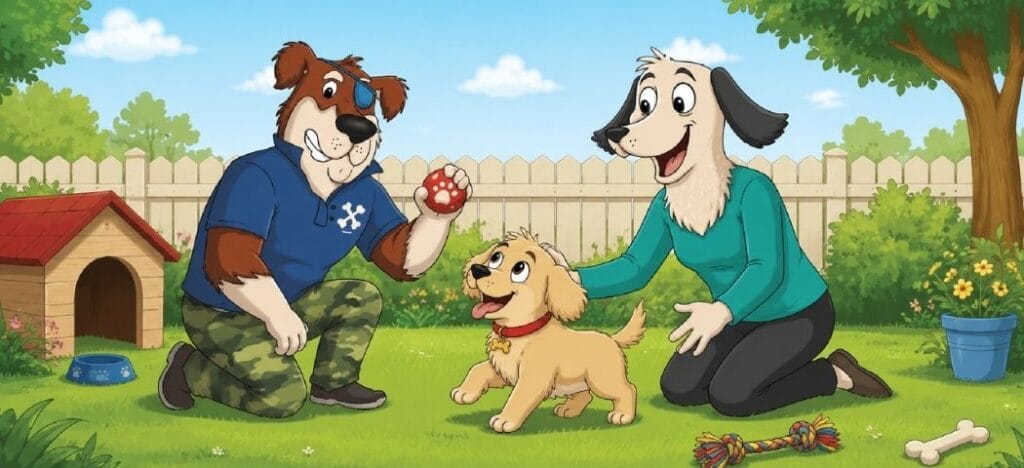
Getting a pet dog for your child can be very good for children when the family is ready to care for the dog properly. Dogs can help children learn responsibility, empathy, sharing, emotional bonding, routine and respect for living beings. However, parents must be prepared to take primary responsibility, especially when children are young.
This is the part many parents underestimate. The child may want the dog. The child may promise to feed, walk, bathe and train the dog forever. The child may even produce a handwritten contract, complete with emotional blackmail.
Still, the adults must be ready to do the heavy lifting.
That is not a reason to avoid getting a dog. It is simply a reason to go in with open eyes.
1. The timing
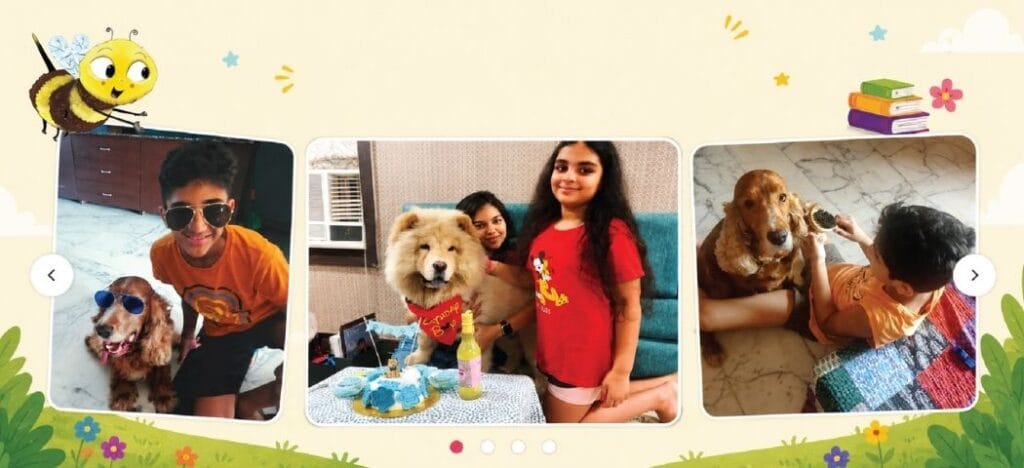
Most children are largely independent by the time they are 5 or 6, which is a great time to bring in a pet. I remember when we brought home Snoopy, our English Cocker Spaniel. Our son was 5 and our daughter was 4, and that worked out just fine.
Alternatively, get a pet home before you have a baby. Ideally, if your pet is about three years old by the time the baby arrives, not only is she very manageable at that age, but she will also care for the child in the most fiercely protective manner.
Remember those heart-warming videos you’ve seen on the internet of huge dogs caring for tiny infants? Well, they could all be very true — and probably are.
Bringing that dog home when your child is any younger than 5 could be a problem, unless you have loads of help, are familiar with caring for pets and are generally good with animals. You will find that your child herself is still too young to care for the dog, and the dog too will need a lot of caring for the first six to nine months.
Visualize a scenario where the dog and baby both need to go to the bathroom at the same time, and you have to clean up after both of them!
A word of caution here — even if your child is 5 or 6 when you get home a pet dog, don’t expect them to be able to care for the dog independently. After all, they’ve only just begun to take care of their own needs. Getting them to care for another life at this early stage is expecting too much.
What they can do is participate in small chores concerning the dog, which brings us to the next point.
What is the best age for a child to get a dog?
There is no perfect age, because every child and family is different. But for many families, children around 5 or 6 years old are better able to participate in simple pet-care routines.
At this age, children can usually understand basic instructions. They can help fill a water bowl, place the leash in the right spot, brush the dog gently, or join walks with an adult. These may seem like small tasks, but they are meaningful first steps in teaching responsibility to children.
However, let’s not get carried away.
A 5-year-old cannot independently care for a dog. Frankly, many adults cannot independently care for a dog without making a mess of things. The child can help. The child can participate. The child can learn. But the parent must lead.
That is the golden rule.
2. Learning responsibility
There is no better way than getting a pet dog home to teach your kids how to be responsible for themselves and someone else too.
Now this doesn’t mean that the dog is a guinea pig that you use to “teach” your kids the importance of taking responsibility. Far from it. It’s important to remember that the pet you’re getting home is a child herself, and needs all the love, care, attention and patience that a child demands.
Get your kids to participate in the process of caring for and training the dog. Even give them independent responsibility for small chores concerning the dog, like ensuring the water bowl is clean and filled, the leash is put in the right place after the dog has been walked, her coat is brushed every day, and so on.
This teaches them to be responsible, while at the same time forging an unbreakable bond with the dog.
The lesson here is very simple: care is not a feeling alone. Care is action.
It is remembering to fill the water bowl.
It is putting the leash away.
It is noticing when the dog is tired.
It is learning to be gentle.
It is understanding that another living being depends on you.
These are powerful lessons in pet care for kids, and they are best learned through participation, not lectures.
Small pet-care tasks children can help with
Children should not carry the full responsibility of caring for a dog, but they can certainly help in age-appropriate ways.
They can:
- Fill the dog’s water bowl
- Help put the leash back in its place
- Brush the dog gently under supervision
- Help choose safe dog toys
- Join walks with an adult
- Remind the family about feeding time
- Help keep their own toys away from the dog
- Learn to speak gently around animals
These small tasks build routine, empathy and confidence.
More importantly, they help children understand that having a dog is not only about cuddles and cute photographs. It is about showing up every day.
Stories can prepare children for pet ownership
If you’re looking for ways to prepare your child for pet ownership, books like Detective Col. Zoro can introduce them to the world of dogs through mystery adventures that teach observation and care.
Stories are a wonderful way to help children understand responsibility before the pet comes home. A story allows a child to watch characters care, notice, solve, make mistakes and learn — without feeling lectured.
For example, a mystery-led book like Detective Col. Zoro can encourage children to observe behaviour, notice clues, understand dogs better and think carefully. Similarly, Adventures of Biplob the Bumblebee can help children develop empathy for living beings and nature, which naturally extends to caring for pets.
This is where story-based learning becomes useful. Before children learn to care in real life, they can begin by understanding care through stories.
3. Learning to care. And share.
We all struggle to get our kids to learn the importance of sharing with others. Get a dog home, and you will find that she will teach your child how to share!
The very act of caring for the pet develops an empathetic instinct in the child, and sharing with others is a natural progression from there.
Stories like Adventures of Biplob the Bumblebee can complement this learning beautifully. The tales about Biplob caring for nature help reinforce values of empathy, responsibility and kindness that naturally extend to caring for pets.
On a lighter note, the pet, a child herself, will anyway want to play with every toy your child has, forcing her to share or keep her toys in the right place and out of reach of the dog.
In either case, you’re a winner!
This is one of the most practical ways dogs support empathy in children. Children begin to understand that another being has feelings, moods, needs and preferences. The dog may want to play. The dog may want to sleep. The dog may be frightened by loud noises. The dog may not want her tail pulled, despite the child’s curiosity.
These are everyday lessons in kindness.
Not theoretical kindness. Real kindness.
The benefits of having a dog for children
The benefits of having a dog for children go well beyond playtime.
A family pet dog can help children learn:
- Responsibility
- Empathy
- Patience
- Sharing
- Routine
- Respect for living beings
- Emotional bonding
- Outdoor play
- Screen-free interaction
- Confidence through small caregiving tasks
A dog also brings a different kind of companionship into a child’s life. She is not a sibling, not a parent, not a friend from school, but something wonderfully her own. A child can talk to a dog without being judged. She can sit with the dog when upset. She can play, cuddle, walk, complain, sing and invent games with the dog.
This relationship can become deeply meaningful.
In a world where children are often surrounded by screens, a pet dog also brings them back into the real world. Walks, games of fetch, grooming, feeding and outdoor play all become simple, natural ways to encourage screen-free play and family bonding.
4. Getting their hands dirty
Cleaning up after a pet can be quite something.
Especially while the dog is still being toilet trained, you will find her peeing and pooping all over the place — and this has to be cleaned up!
Before we’d got our dog home, we’d made a deal with the kids that they would clean up each time the dog pooped. Of course, they readily agreed to it, without knowing what they were getting into.
Inside of the first week, cleaning up after the dog turned into a hilarious game of “it’s your turn!” between our kids. While we still did the bulk of the cleaning, they, especially our son, would solemnly scoop the poop and flush it down!
This is where pet care becomes real.
It is not only about the nice parts — playing, cuddling, taking photographs and showing the dog off to friends. It is also about cleaning, feeding, brushing, walking, training and dealing with the mess.
That is not a bad thing.
In fact, this is where children learn that responsibility is not selective. You cannot love the dog only when she is cute and ignore her when she has made a mess. Care includes the inconvenient parts too.
This, in many ways, is the real parenting lesson.
For the child — and sometimes for us.
The challenges of getting a pet dog
Of course, getting a dog is not all cuddles, wagging tails and Instagram-worthy moments.
Dogs need time, training, grooming, food, exercise, vet visits and patience. Puppies may chew furniture, pee indoors, wake up at odd hours, bark at nothing in particular and create more mess than you thought possible.
There are costs too — food, vaccinations, vet visits, grooming, toys, bedding and occasional surprises. There is also the question of space, travel, allergies, breed suitability and daily walking needs.
This is why timing matters.
If your family is already stretched with a newborn, demanding work schedules, constant travel or limited support, it may be better to wait. Waiting is not failure. It is responsible decision-making.
A pet dog is a family member. The decision should be made with love, but also with honesty.
Questions to ask before bringing a dog home
Before getting a pet dog, ask yourself a few honest questions:
- Do we have enough time for a dog?
- Are the adults ready to take primary responsibility?
- Is our child old enough to participate gently and safely?
- Do we have enough space for the dog we are considering?
- Can we manage vet visits, food, grooming and training costs?
- Will someone walk the dog every day?
- Are we ready for mess and disruption in the early months?
- Can we care for this dog for many years, not just during the puppy phase?
These questions are not meant to scare you.
They are meant to protect both the dog and the family.
A well-timed decision brings joy. A rushed decision brings stress.
5. Stress busters
Dogs are the best stress-busters ever. Period.
Feeling down, low, sad, unwell or out of sorts? All you need to do is pet and cuddle your dog, or simply chat with her and you’ll feel all your worries melting away!
This is no emotional hocus-pocus, but a fact proven by research, time and time again. Dogs not only absorb your stress, but banish every sense of negativity from the environment.
For children too, dogs can be a wonderful source of comfort. A dog can become a friend, a listener, a playmate and a quiet source of emotional warmth. Children often open up more easily when they are walking a dog, petting her or simply sitting beside her.
There is less pressure. More comfort. More silence. More safety.
Of course, a dog is not a substitute for professional support if a child is struggling emotionally. But as part of everyday family life, dogs can bring calm, laughter and affection into the home.
Sometimes, simply petting a dog can change the mood of a room.
Dogs and child development
When we talk about dogs and child development, we often think only of responsibility. But the impact can be wider.
A dog can help a child develop emotional awareness, routine, patience, communication and empathy. Children learn to read body language. They learn that a wagging tail, a tucked tail, a bark, a whine or a yawn can mean different things. They begin to observe more carefully.
This is a useful skill.
It teaches children that communication is not always verbal. It teaches them to notice moods and signals. It teaches them that care begins with attention.
This is also why pet ownership can pair well with books and stories that encourage observation, mystery-solving and care for living beings.
So, should you get that dog?
So go ahead and bring that pet home — if your family is ready for the responsibility.
Do it for the right reasons.
Not because your child has promised eternal responsibility after watching one puppy video. Not because the puppy is cute. Not because everyone else seems to have one. Not because you think it will automatically make your child responsible.
Get a dog because your family is ready to love, care, clean, walk, feed, train, laugh, adjust and grow together.
And if you want to know which is the best breed to bring home, check out our related blog on choosing the right dog breed for your family.
choosing the right dog breed for your family
Explore story-led learning with Biplob World
Preparing your child to care, observe, share and think with kindness?
Explore Biplob World’s collection of story-led books and screen-free learning products:
- Detective Col. Zoro books
- Adventures of Biplob the Bumblebee
- Story-based jigsaw puzzles
- Colouring books for kids
- Board games and card games
- STEM.org certified DIY kits
Each product is designed to help children imagine, observe, solve, create and learn — one story at a time.
Explore Story-Based Learning Products
FAQs on Getting a Pet Dog for Your Child
Should I get a pet dog for my child?
Yes, getting a pet dog can be wonderful for children if the family is ready for the responsibility. A dog can teach children empathy, responsibility, sharing, routine and emotional bonding.
What is the best age for a child to get a dog?
Many families find that children around 5 or 6 years old are better able to participate in simple pet-care tasks. However, children should not be expected to care for a dog independently at that age.
What are the benefits of having a dog for children?
The benefits of having a dog for children include learning responsibility, developing empathy, understanding routine, sharing, outdoor play, companionship and emotional comfort.
What are the challenges of getting a pet dog?
The challenges include time, cost, toilet training, grooming, daily walks, vet visits, mess, noise and long-term commitment. Parents must be ready to take primary responsibility.
Can children take care of a dog on their own?
No. Young children should not be expected to care for a dog on their own. They can help with small tasks such as filling the water bowl, brushing gently, putting away the leash or joining walks, but adults must lead.
How can stories help prepare children for pet ownership?
Stories help children understand care, kindness and responsibility in a gentle way. Books like Detective Col. Zoro and Adventures of Biplob the Bumblebee can introduce children to observation, empathy and respect for living beings.
Are dogs good for children’s emotional well-being?
Dogs can be excellent companions for children. They offer comfort, play, affection and emotional warmth, while also encouraging children to spend more time in screen-free, real-world interaction.
What should parents consider before getting a dog?
Parents should consider time, space, cost, breed suitability, training, grooming, vet care, walking needs and the family’s long-term commitment. A dog is not a short-term activity; it is a family member.
In the end
Getting a pet dog for your child can be one of the most rewarding decisions your family makes.
But it works best when it is done with open eyes.
A dog brings love, laughter, movement, responsibility, mess, routine and a great deal of joy. Children learn that care is not just a feeling. It is something we do every day.
They learn to share.
They learn to observe.
They learn to be gentle.
They learn to show up.
They learn that another living being depends on them.
And somewhere along the way, the dog stops being “the pet.”
It becomes family.